
Call for Free Consultation:
Free Consultation: (212) 425-0700
Call For Free Consultation: (212) 425-0700
Call for Free Consultation:
Free Consultation: (212) 425-0700
Call For Free Consultation: (212) 425-0700
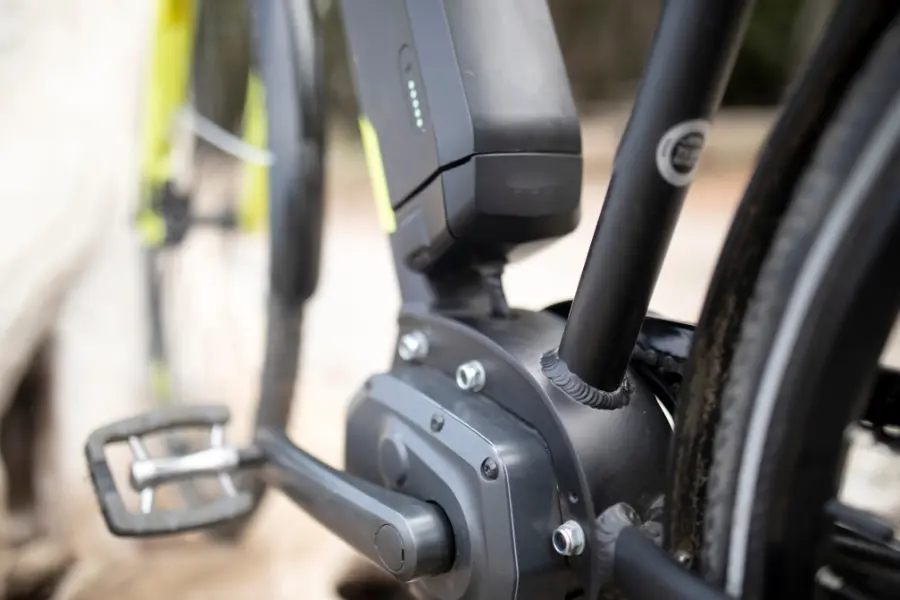
Fire Prevention Week runs October 4 through 10, 2026, and this year the whole campaign is about charging. The National Fire Protection Association's theme is "Charge into Fire Safety: Safe Charging Is a Superpower." In New York City, where e-bikes and scooters are part of daily life and most people live in multi-family buildings, how you charge a lithium-ion battery affects everyone on your floor.
A lithium-ion battery holds a lot of energy in a small case. When one fails, it can go into thermal runaway, a chain reaction in which one overheating cell ignites the next. The fire burns hot, throws off toxic smoke, and can reignite after it looks like it is out. The FDNY recorded 18 deaths from lithium-ion battery fires in 2023. That number fell to six in 2024 and to one in 2025, after years of public education, enforcement against uncertified batteries, and a push to move charging outdoors. The progress is real. So is the risk that remains in every apartment where a battery charges overnight.
Kelner & Kelner represents New Yorkers hurt by dangerous products and the families of people killed in fires caused by them. Our New York personal injury attorneys put together this guide for Fire Prevention Week. It covers safe charging first and the legal questions that follow a battery fire second.
Use the charger that came with the device, stay home and awake while it charges, and unplug it when the battery is full. The U.S. Consumer Product Safety Commission puts those three rules first because they address the conditions behind many home battery fires: charging overnight, charging unattended, and charging on the wrong equipment.
The rest of the list is short:
A cheap aftermarket charger from an online marketplace may fit the port and still deliver the wrong voltage or lack the circuitry that shuts charging off when the battery is full. Mismatched chargers are a well-documented fire risk, and they show up again and again in fire marshal findings.
Somewhere that does not stand between you and the way out. Never charge or store an e-bike or scooter in a building hallway, in a stairwell, beside the apartment door, or near a fire escape window. If the battery fails, those are the routes you and your neighbors need. Charge where working smoke alarms can detect a problem early and nothing nearby burns easily.
The FDNY has urged New Yorkers to store and charge these devices outdoors where they can. Many apartment dwellers have no outdoor space, which makes the choice of an indoor spot matter more. A room with a door you can close, a working smoke alarm, and a clear path to the exit is far safer than the entry foyer where the bike happens to fit.
Building rules count too. Many co-ops, condos, and rental buildings now limit where residents may store or charge e-bikes, and some ban them from hallways, basements, and bike rooms. Blocking a hallway or stairwell with a bike also violates the fire code, and in a fire it can trap people who have no other way out.
Heat, swelling, and smell. A battery that feels hot to the touch, bulges, leaks, hisses, pops, or gives off an unusual odor is failing. If you can stop charging safely, do. Then get everyone out, close the door behind you, and call 911. Do not try to put the fire out yourself.
A kitchen extinguisher or a pot of water is no match for a battery in thermal runaway. Closing the apartment door on your way out slows the spread of smoke and fire into the hallway, which protects your neighbors as well as your own family. Warn people on your floor as you leave if you can do it without delay.
Physical damage raises the risk. A battery that took a hard hit in a collision, fell down a flight of stairs, or got soaked in a rainstorm can fail days later. If the case is cracked, dented, or swollen, stop using it and dispose of it properly.
New York City bars the sale, lease, and rental of e-bikes, e-scooters, and their batteries unless they are certified to a recognized safety standard by an accredited testing laboratory. In 2024 the City gave its consumer protection agency new power to seize uncertified devices. New York State followed with its own package of e-bike and battery laws the same year.
The state laws signed in July 2024 ban the sale of e-bike, e-scooter, and moped batteries that are not built to recognized safety standards, and they require a red tag on charging cords reminding owners to unplug when not in use. When you shop, look for a mark from a nationally recognized testing laboratory on both the battery and the charger.
These laws have not ended the problem. Uncertified batteries still turn up in street-level shops and in online listings shipped from overseas. A price that looks too good is often a sign the battery never went through testing at all.
Stop using it immediately and follow the disposal instructions in the recall or warning. Never put a lithium-ion battery in the trash or in curbside recycling, where it can start a fire in a garbage truck or a transfer station. Check the Consumer Product Safety Commission website for recalls on your model.
Recalls and safety warnings are not rare. In November 2025, the commission warned owners of certain Rad Power Bikes batteries to stop using them right away after 31 reported fires and roughly $734,500 in property damage. New York City residents can drop off lithium-ion batteries at many retailers that sell them and at the City's special waste sites.
It depends on why the battery failed and why the fire spread. A battery with a design or manufacturing defect can support a strict products liability claim against the manufacturer, the importer, the distributor, and the seller. A fire that spread because of missing smoke alarms, broken self-closing doors, or blocked exits can bring the building owner and managing agent into the case as well.
Product cases involving e-bike batteries rarely point to a single company. The cells may come from one manufacturer, the battery pack from another, and the bike from a brand that sold it through a third-party marketplace. Tracing that chain early, through purchase records, packaging, serial numbers, and import documents, often determines who can be held responsible and whether that party can be reached by a New York court.
New York City building owners carry their own duties. The City requires working smoke and carbon monoxide alarms in apartments, and it requires self-closing doors on apartment entrances in most multiple dwellings, because a door that closes on its own keeps a fire in one unit from filling the stairwell. When a landlord ignored complaints about a broken door closer, a dead alarm, or bikes crowding a hallway, prior 311 complaints, violation records, and building maintenance logs can show that the owner knew about the danger and did nothing.
A fire that starts in a neighbor's apartment raises its own questions. The neighbor's renter's or homeowner's policy, the building's liability policy, and the manufacturer of the battery can all be part of the picture, depending on what caused the failure.
A personal injury claim against a private defendant, such as a battery manufacturer, a seller, or a private landlord, generally must be filed within three years. A wrongful death claim generally must be filed within two years of the death. If the fire happened in a New York City Housing Authority building or another public property, a notice of claim must usually be served within 90 days.
The notice of claim is the formal written notice you must serve on the City, NYCHA, or another public entity before you can sue it. Ninety days passes quickly when someone is recovering from burns or a family is arranging a funeral. The exceptions to these deadlines are narrow, so an early conversation with a lawyer matters.
Keep the burned battery, the charger, the bike or scooter, the receipt or order confirmation, and the box or manual if they survived. Photograph the scene before anything is cleaned up. Do not hand the battery to an insurance adjuster, a building manager, or a retailer without first speaking to a lawyer.
The physical remains of the battery are often the most important evidence in the case. Fire investigators and engineers can examine the cells, the battery management system, and the charger to determine why the failure happened. Once that evidence is thrown out, tested by someone else without notice, or lost in a building cleanup, it cannot be recovered.
Other evidence disappears quickly too. Building surveillance footage is often overwritten within days or weeks. A preservation letter sent to the building owner, the managing agent, and the seller puts them on notice that they must keep footage, maintenance records, and complaint logs. FDNY fire marshal reports and 911 recordings can also help establish what happened and when.
Burns are the most common injury, often to the hands, arms, and face of whoever was nearest the battery. Smoke inhalation is also common and can be fatal, particularly in apartments where the fire blocks the only exit. Survivors may face skin grafts, permanent scarring, months in a burn unit, and a long period away from work.
Severe burn injuries can require years of reconstructive surgery, therapy, and follow-up care. Our New York burn injury attorneys represent people whose medical care stretches far into the future. When a fire takes a life, our New York wrongful death attorneys represent the families left behind in the wrongful death claim and the survival claim for the conscious pain and suffering the person endured before death.
We start with the battery. Our New York product liability attorneys move to secure the physical evidence, send preservation letters, and trace where the battery and charger came from. We retain fire investigators and engineers to determine the cause, and we build the case around the injuries and how they changed our client's life.
We prepare every file as if a jury will hear it. That means documenting the medical record from the burn unit forward, identifying every company in the chain of distribution, and developing the evidence on how the product was designed, made, and sold. No lawyer can promise a result. What we offer is careful preparation and a clear explanation of the options available to you.
If an e-bike or scooter battery fire injured you or took the life of someone you love, talk with Kelner & Kelner. Our attorneys will listen to what happened, explain the claims that may be available, and tell you what steps to take now to protect the evidence.
Sources

Attorney Advertising | Prior results do not guarantee a similar outcome. The information on this website is for general information purposes only. Nothing on this site should be taken as legal advice for any individual case or situation. This information is not intended to create, and receipt or viewing does not constitute, an attorney-client relationship. This site is protected by reCAPTCHA and the Google Privacy Policy and Terms of Service apply.