
Call for Free Consultation:
Free Consultation: (212) 425-0700
Call For Free Consultation: (212) 425-0700
Call for Free Consultation:
Free Consultation: (212) 425-0700
Call For Free Consultation: (212) 425-0700
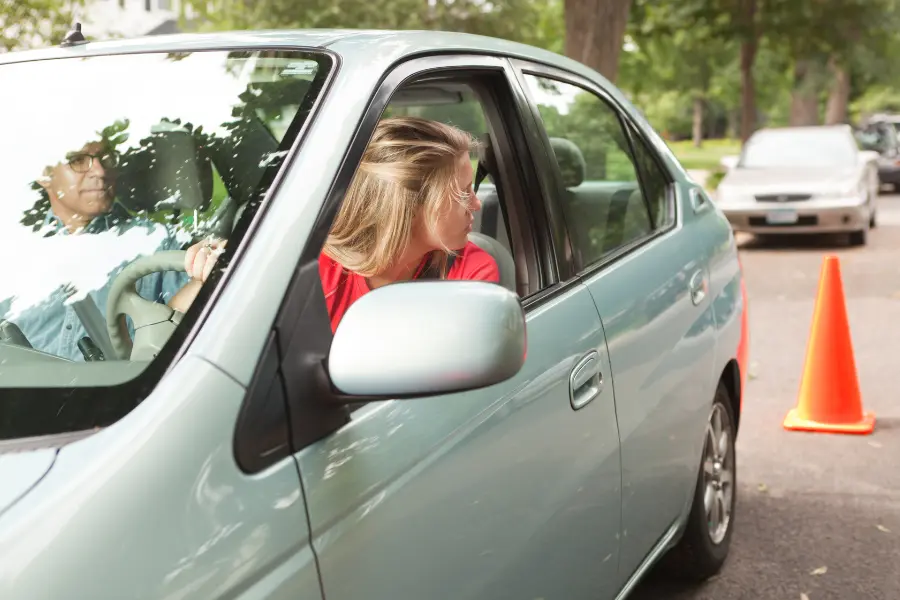
National Teen Driver Safety Week runs October 18 through 24, 2026, and it raises a question many injured New Yorkers ask: can you sue a minor for a car accident? Yes. In New York, a teen driver who causes a crash can be sued like any adult driver, and the claim is usually paid through the insurance on the vehicle the teen was driving.
Teen drivers are involved in a large share of serious crashes. According to the National Highway Traffic Safety Administration, 2,320 people were killed nationwide in 2024 in crashes involving a driver between 15 and 18 years old. Only 752 of them were the teen drivers themselves. The rest were passengers, other drivers, pedestrians, and cyclists.
Kelner & Kelner represents people across New York City who have been hurt by careless drivers of every age. Led by senior partner Robert S. Kelner, our New York City car accident attorneys put together this guide for Teen Driver Safety Week. It explains how a claim against a teen driver works, who pays, and what makes these cases different from a claim against an adult.
Yes. Being under 18 does not protect a driver from a negligence claim in New York. When a teen causes a crash, the injured person can bring a claim naming the teen as a defendant, and often the vehicle's owner as well. In most cases the vehicle's auto insurance policy defends the teen and pays any recovery up to its limits.
Many people hesitate to bring a claim because the driver was a kid. That hesitation is understandable, but the claim is not really about taking money from a teenager. Auto insurance exists to cover exactly this situation. Parents who add a teen driver to their policy pay higher premiums because insurers know teen drivers crash more often.
The injured person's losses are just as real whether the driver was 16 or 46. Medical bills, lost wages, and months of recovery do not shrink because the person who caused them was young.
No. New York courts generally hold a minor who drives a car to the same standard of care as an adult driver. A teen behind the wheel is expected to obey traffic laws, watch the road, and drive with the same care as any reasonable, experienced driver. Inexperience is not a defense.
This is different from the rule for children in other settings. A child walking or playing is judged by what a reasonable child of the same age would do. Driving is treated differently because it is an adult activity that puts other people at serious risk. A teen who chooses to take the wheel takes on an adult's responsibility along with it.
That means the same evidence matters as in any crash case: whether the teen ran a light, was speeding, was on a phone, followed too closely, or failed to yield to a pedestrian in a crosswalk.
Parents are not automatically responsible just because they are parents. But they are often responsible because they own the car. Under Vehicle and Traffic Law § 388, the owner of a vehicle in New York is generally liable for injuries caused by anyone driving it with the owner's permission, and most teen drivers are driving a parent's car.
Owner liability is one of the most important rules in these cases. If the car is registered to a parent, and the teen had permission to drive it, the parent as owner can be named in the claim. The parent's auto policy typically covers both the owner and the permitted driver.
Parents can also face a separate claim called negligent entrustment. That claim applies when an owner hands the keys to someone they know, or should know, is likely to drive dangerously, such as a teen with a history of speeding tickets, a suspended license, or no license at all.
A different law, General Obligations Law § 3-112, makes parents liable for up to $5,000 when a child willfully or maliciously damages property. That law is aimed at vandalism, not ordinary car crashes, and it rarely plays a role in an injury claim.
No. According to the New York State DMV, a driver with a junior license (Class DJ or MJ) cannot drive within the five boroughs of New York City under any circumstances. A 17-year-old who completes an approved driver education course can get a senior license and drive anywhere in the state.
This rule catches many teen drivers from Long Island, Westchester, and upstate who drive into the city for a game, a concert, or a night out. A 16-year-old with a junior license who crosses into Queens or the Bronx is breaking the law the moment they enter the city.
A license violation does not by itself prove the teen caused the crash. New York courts generally look at whether the violation actually had something to do with how the collision happened. But an unlicensed or restricted driver on a city street raises real questions: whether the parents knew, whether they gave permission, and whether the insurance policy covers the trip. Those questions can shape who is responsible and which policies apply.
Outside the city, junior license holders face limits on nighttime driving and generally may carry no more than one passenger under 21 who is not a family member. A teen who crashes while breaking those rules may have been distracted by the very passengers the law was written to keep out of the car.
Several sources of coverage can come into play. Your own no-fault coverage pays medical bills and some lost wages first. The teen's auto liability policy covers pain and suffering and losses above no-fault, up to its limits. If that policy is too small, your own supplementary underinsured motorist coverage may pay the difference.
New York's no-fault system, set out in Insurance Law § 5103, pays basic economic loss, including medical expenses and a portion of lost earnings, regardless of who caused the crash. The no-fault application generally must be filed within 30 days, so it should not wait.
New York's minimum auto liability coverage is $25,000 for injury to one person and $50,000 for injury to more than one person in a single crash. Those limits can run out fast in a serious injury case. Many families carry more, and some carry umbrella policies that sit on top of their auto coverage. Finding every policy that may apply is one of the first things our attorneys do.
Supplementary uninsured and underinsured motorist coverage, often called SUM coverage, is part of your own auto policy. It protects you when the at-fault driver's coverage is too small to pay for your losses. Checking your own declarations page early can matter a great deal.
Distraction, speed, inexperience, and passengers. Teen drivers are more likely than older drivers to look at a phone, drive too fast for conditions, misjudge gaps in traffic, and lose focus with friends in the car. Alcohol and drugs play a role in some crashes, and nighttime driving raises the risk for every young driver.
Distracted driving is at the center of many teen crash cases. A few seconds spent reading a message at 30 mph means the car travels the length of a basketball court with no one watching the road. Our New York texting and driving accident attorneys use phone records and app data to show whether a driver was on a device at the moment of impact.
Impaired driving by teens gets separate treatment in New York. Under the state's zero tolerance law, Vehicle and Traffic Law § 1192-a, a driver under 21 with a blood alcohol concentration as low as .02 faces license suspension. When an adult knowingly gave alcohol to an underage driver who then caused a crash, General Obligations Law § 11-100 may allow a claim against that adult as well. Our New York City drunk driving accident attorneys investigate where the alcohol came from.
Phone records, vehicle data, video, and witness statements. Teen driver cases often turn on whether the driver was distracted or speeding, and much of that evidence sits on devices and apps that can be wiped or overwritten. A preservation letter sent early can keep it from disappearing.
Some of the most useful evidence in these cases is unique to young drivers. Many families use location-sharing apps that record where a teen's phone traveled and how fast it was moving. Some insurers offer driving-monitor programs that log hard braking, speed, and phone use. Newer vehicles also store crash data showing speed, braking, and seatbelt use in the seconds before impact.
In May 2026, New York changed several rules for motor vehicle injury cases filed after the new law took effect. Under new CPLR 1411(b), a person found more than 50 percent at fault in a motor vehicle case can no longer recover. The law also removed the "90/180-day" category from the serious injury threshold in Insurance Law § 5102(d).
The serious injury threshold is the level of injury New York requires before a person hurt in a car crash can sue for pain and suffering. The categories that remain include fractures, significant disfigurement, permanent loss of use of a body part, and permanent or significant limitations of use. Injuries have to be documented carefully from the first visit to the emergency room.
Carriers defending teen drivers often argue that the injured person shares the blame, especially in intersection and lane-change crashes. Under the new rules, how fault is investigated and proven matters more than it did before.
A lawsuit against a minor follows the same basic path as any injury case, with a few added steps. Under CPLR 1201, a minor defends a lawsuit through a parent or court-appointed guardian. Under CPLR 309, a minor 14 or older must be served along with a parent or guardian, while a younger child is served through the parent.
In practice, the insurance carrier assigns defense lawyers to represent the teen, and the parents take part in the case on the teen's behalf. The teen may still have to sit for a deposition, a sworn question-and-answer session with the lawyers before trial. Teen drivers are sometimes less guarded than adults in those sessions, and their testimony about phones, passengers, and speed can be revealing.
If the injured person is also a minor, such as a teen passenger hurt by a friend who was driving, any settlement will need court approval, and the money is typically protected until the injured child turns 18.
Yes. A passenger injured by a teen driver's carelessness can bring a claim against the driver and the vehicle's owner, even if they were friends. The claim runs against the insurance policy, not the friendship. Families often find this uncomfortable, but it is often the only way to pay for serious injuries.
NHTSA data shows that 478 people killed in 2024 crashes involving teen drivers were passengers in the teen's vehicle, and most of those passengers were other adolescents. These cases often involve several young people in one car, each with their own injuries and their own claims against the same limited policy. When that happens, acting early can matter.
A personal injury claim against a teen driver generally must be filed within three years under CPLR 214. A wrongful death claim generally must be filed within two years under EPTL 5-4.1. The driver's age does not extend these deadlines. If the injured person is a minor, CPLR 208 generally pauses the three-year deadline until the child turns 18.
Waiting has costs even when the deadline is years away. Phone data, app histories, and video footage can disappear within weeks. Teen witnesses graduate, move, and forget. Crashes involving young drivers often cause serious harm, and our New York traumatic brain injury attorneys and New York wrongful death attorneys represent people and families facing the most serious consequences.
We start by finding every policy and preserving the digital evidence, because teen driver cases often turn on insurance coverage and phone data. Our New York City car accident attorneys then build the case as if a jury will hear it, because careful trial preparation shapes how carriers value a case long before any trial date.
No lawyer can promise a result. What we offer is careful preparation and a clear explanation of the options available to you.
Kelner & Kelner is a New York City personal injury firm that prepares every case for trial from the first day. Senior partner Robert S. Kelner and our trial team represent people injured by careless drivers, including teen drivers, throughout the five boroughs.
Our attorneys handle car crashes, pedestrian knockdowns, and fatal collisions across the city. When a young driver's mistake changes your life, we give you direct answers about the claim, the coverage, and the steps that need to happen now.
If a teen driver hurt you or someone you love, talk with Kelner & Kelner. Our attorneys will listen, explain your options, and move quickly to protect the evidence.
Sources

Attorney Advertising | Prior results do not guarantee a similar outcome. The information on this website is for general information purposes only. Nothing on this site should be taken as legal advice for any individual case or situation. This information is not intended to create, and receipt or viewing does not constitute, an attorney-client relationship. This site is protected by reCAPTCHA and the Google Privacy Policy and Terms of Service apply.