
Call for Free Consultation:
Free Consultation: (212) 425-0700
Call For Free Consultation: (212) 425-0700
Call for Free Consultation:
Free Consultation: (212) 425-0700
Call For Free Consultation: (212) 425-0700
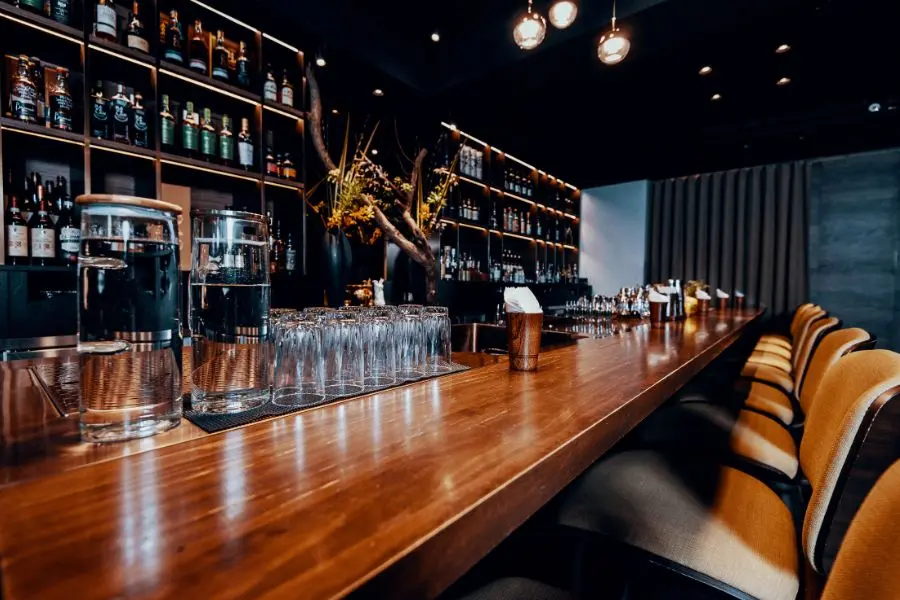
Yes. You can sue a bar that served a drunk driver in New York under the Dram Shop Act, General Obligations Law § 11-101. The claim requires proof that the bar unlawfully sold alcohol to the driver while the driver was visibly intoxicated or under 21. The sale must also have a reasonable connection to the crash. The law allows both actual and punitive damages.
Kelner & Kelner represents people hurt by drunk drivers across Manhattan, Brooklyn, Queens, the Bronx, and Staten Island. Senior partner Robert S. Kelner and the firm's trial team build every case as if a jury will hear it. That means tracing where the driver was drinking before the crash, not just what happened on the road. This post explains how New York's dram shop law works, what it takes to prove a claim against a bar, and what evidence to preserve. For more on these crashes, see our NYC drunk driving accident lawyers page.
You focus on healing. We’ll handle the rest. Call now. Don't pay a penny unless we win your case. Contact Kelner and Kelner today at (212) 425-0700 or through our website.
Yes, if the bar made an unlawful sale. Under General Obligations Law § 11-101 and Alcoholic Beverage Control Law § 65, a licensed seller may not serve someone who is visibly intoxicated, under 21, or a known habitual drunkard. When an unlawful sale contributes to a crash, the injured person can sue the bar in addition to the driver.
A dram shop is the traditional legal term for a business that sells alcohol, and the law is named for it. New York's Dram Shop Act lets anyone injured "in person, property, means of support, or otherwise" by an intoxicated person sue the seller who unlawfully contributed to that intoxication. That includes a pedestrian struck in a crosswalk, a passenger in another car, or a cyclist in a bike lane. The bar can be a nightclub in the Meatpacking District, a sports bar in Astoria, a restaurant in Park Slope, or a liquor store that sold to a visibly drunk customer.
The claim against the bar is separate from the claim against the driver. The driver remains responsible for the crash itself. The dram shop claim adds a second responsible party whose own unlawful conduct helped cause the harm.
Visibly intoxicated means the person showed signs of intoxication a server could see at the time of the sale. Common signs include slurred speech, stumbling, glassy eyes, loud or aggressive behavior, or spilling drinks. A high blood alcohol reading after the crash helps, but New York courts look for proof of what the bartender could observe when serving.
This is where most dram shop cases are won or lost. The bar will argue the driver seemed fine when served and became impaired later, or drank somewhere else. Proving visible intoxication usually means piecing together several kinds of evidence:
A sale to someone under 21 is also unlawful under ABC Law § 65. Courts generally still require proof connecting that sale to the intoxication that caused the crash.
A New York dram shop claim generally requires proof of three things. First, a commercial sale of alcohol to the driver. Second, that the sale was unlawful, usually because the driver was visibly intoxicated. Third, a reasonable or practical connection between that sale and the injury. That connection test is looser than the ordinary proximate cause standard in negligence cases.
Who has to prove what at the summary judgment stage is currently before New York's highest court. In Brown v Z-Live Inc., a Bronx case, the Appellate Division, First Department, dismissed a dram shop claim in 2025 by a 3-2 vote. The question was whether the bar had done enough to prove it made no unlawful sale, or had only pointed to gaps in the plaintiff's proof. The New York Court of Appeals heard argument on September 16, 2026. As of this writing, a decision is pending. The answer will shape how much evidence a bar must produce to have a dram shop case thrown out early.
Generally no, if the guest who drove drunk was 21 or older. New York does not impose dram shop liability on private hosts who serve adults without selling alcohol. A host can be liable under General Obligations Law § 11-100 for knowingly giving alcohol to someone under 21 who then injures another person.
Section 11-100 reaches anyone, not just licensed businesses, who unlawfully furnishes alcohol to a person under 21. The host must know or have reason to believe the person is underage. It covers house parties, backyard gatherings, and adults who buy alcohol for teenagers. Unlike § 11-101, this section does not provide for punitive damages.
Private events at a venue can raise closer questions. A catered wedding with an open bar, a company party at a restaurant, or a club event with a cover charge may involve a commercial seller even if no one paid per drink. Who held the liquor license and who controlled the service often decides whether § 11-101 applies.
The intoxicated person cannot use New York's Dram Shop Act to sue the bar for their own injuries. The law protects third parties harmed by the intoxicated person. Passengers in the drunk driver's car may have claims depending on the facts. Someone who bought drinks for the driver or helped get them drunk may be barred from recovering.
Family members can sometimes bring claims of their own. Section 11-101 covers injury to "means of support," so a spouse or child who depended on someone killed or disabled by a drunk driver can seek those losses. When the injured person dies, § 11-101(2) allows the claim to continue through the estate's executor or administrator.
Section 11-101 allows "actual and exemplary damages." Actual damages include past and future medical expenses, past and future lost earnings and earning capacity, past and future pain and suffering, and loss of enjoyment of life. Exemplary damages, also called punitive damages, are meant to punish especially serious misconduct. They are not available in every case.
In a fatal crash, the family can pursue wrongful death damages for financial loss, along with a survival claim for the person's conscious pain and suffering before death. Our wrongful death page explains how those claims work in New York.
A dram shop claim also adds a second insurance policy to the case. New York's minimum auto liability coverage is $25,000 per person and $50,000 per accident. That often falls far short of the cost of a catastrophic injury. The bar's liability coverage may provide another source of recovery. How much is available depends on the policies involved and the strength of the proof.
The 2026 auto tort reform caps pain and suffering at $100,000 for at-fault claimants convicted of impaired driving. That cap applies to the drunk driver if they sue, not to the people they hurt. The reform also changed fault and serious injury rules for car accident lawsuits filed on or after May 26, 2026.
For a pedestrian, passenger, or other driver hit by a drunk driver, the impaired driver's conduct typically weighs heavily on the fault question. The claim against the driver follows New York's no-fault and serious injury rules. The dram shop claim against the bar is a separate statutory claim. Appellate courts have not yet settled every question about how the 2026 changes interact with dram shop claims. This is one more reason to have the full set of claims reviewed early.
A dram shop claim in New York generally must be filed within three years of the injury. If the crash caused a death, the wrongful death claim generally must be filed within two years of the date of death under EPTL § 5-4.1. No-fault benefits have a much shorter clock. The application generally must be filed within 30 days.
The deadlines are only part of the timing problem. The evidence in a dram shop case disappears much faster than any filing deadline. Many bars record over their surveillance footage within days or weeks. Staff change jobs, and other patrons scatter. A claim filed well within three years can still be weakened if no one preserved the bar's records in the first weeks after the crash.
The most important dram shop evidence includes the bar's surveillance footage, the driver's tab and the bar's sales records, the staff schedule, and the police and criminal case files. A preservation letter sent to the bar in the first days after the crash is often the only reliable way to keep footage from being erased.
A preservation letter is a formal written demand that a business keep specific evidence. Our NYC drunk driving accident attorneys send these letters early and gather:
Our NYC drunk driving accident lawyers handle the claim against the driver and the dram shop claim against the bar together. That starts with preserving the bar's evidence and identifying every place the driver drank. Each case is built as if a jury will hear it, from the first preservation letter through trial and appeal if needed.
The work starts with preservation letters, a no-fault benefits application, and the police and criminal files. From there, the team traces the driver's evening through receipts, video, rideshare and phone records, and witness interviews. The case then moves through filing in New York State Supreme Court, discovery of the bar's records and staff, depositions, and the independent medical examination. Next come motion practice, mediation where it makes sense, and trial and appeal where needed. Toxicologists, accident reconstruction engineers, treating physicians, and vocational economists are retained where the facts call for them. Related claims are covered on our DWI accident and fatal vehicle accident pages.
If a drunk driver hurt you or someone you love anywhere in New York City, our NYC drunk driving accident attorneys can review whether a bar or other seller shares responsibility. The review covers what the law allows and which deadlines apply.
Reach out to Kelner & Kelner to talk through what happened.
You focus on healing. We’ll handle the rest. Call now. Don't pay a penny unless we win your case. Contact Kelner and Kelner today at (212) 425-0700 or through our website.
Sources

Attorney Advertising | Prior results do not guarantee a similar outcome. The information on this website is for general information purposes only. Nothing on this site should be taken as legal advice for any individual case or situation. This information is not intended to create, and receipt or viewing does not constitute, an attorney-client relationship. This site is protected by reCAPTCHA and the Google Privacy Policy and Terms of Service apply.